
My 7 Favorite Personal Finance Books
I can never say no to books about money, so I put together a list of my favorite personal finance books. Enter your email address below and I’ll send a printable list straight to your inbox!
I’ve long been interested in money (and I’ll tell you now that my mindset about the vast scarcity of money is something I’ve worked through over the last decade), so of course I love a good personal finance book.
These are my 7 favorite personal finance books!

My 7 Favorite Personal Finance Books

Die With Zero: Getting All You Can from Your Money and Your Life by Bill Perkins
I love a good money book, but this book is very different from any other money book I’ve ever read and Bart and I have been talking about it with everyone we know over the last few years. It’s been an interesting and useful way to think about how I spend my life and what I want from the money I make. It feels like one of those books that almost everyone will benefit from – it’s in the top 10 nonfiction books of all time for me.

Rich AF: The Money Winning Mindset That Will Change Your Life by Vivian Tu
This is a great personal finance book! I’m always asked for book recommendations for people who want to understand finance and investing better and here are my new suggestions that make money feel fun, interesting and accessible. (Caution for some languages).
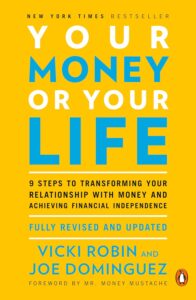

I have no desire to live at the level some of the people in this book aspire to, but the general idea that you give up your time and life to earn money has stuck with me for over a decade and I think about this book all the time. My parents loved this book and gave us a copy when we got married.


I remember my parents reading this book when I was growing up and then Bart and I reading it shortly after we got married and it had a huge influence on the way I think about money, both in earning it and spending it. Bonus, it’s included in the Kindle Unlimited library, so you can read it for free!
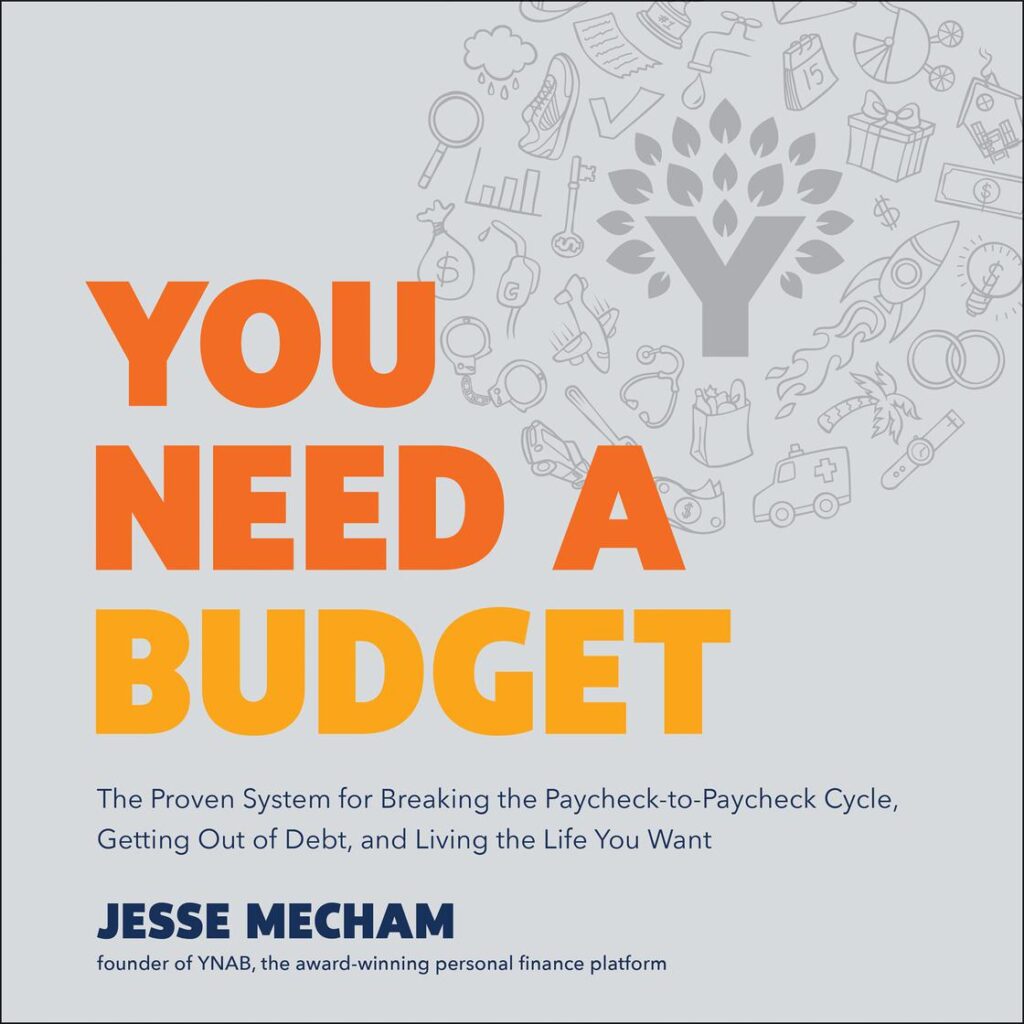
You Need a Budget by Jesse Mecham
Someone recommended this one to me on Instagram and I immediately checked it out of the library. If budgeting feels boring and difficult, this book is for you! It shares four important rules for budgeting and money to help you stop living paycheck to paycheck and save more – it’s great.
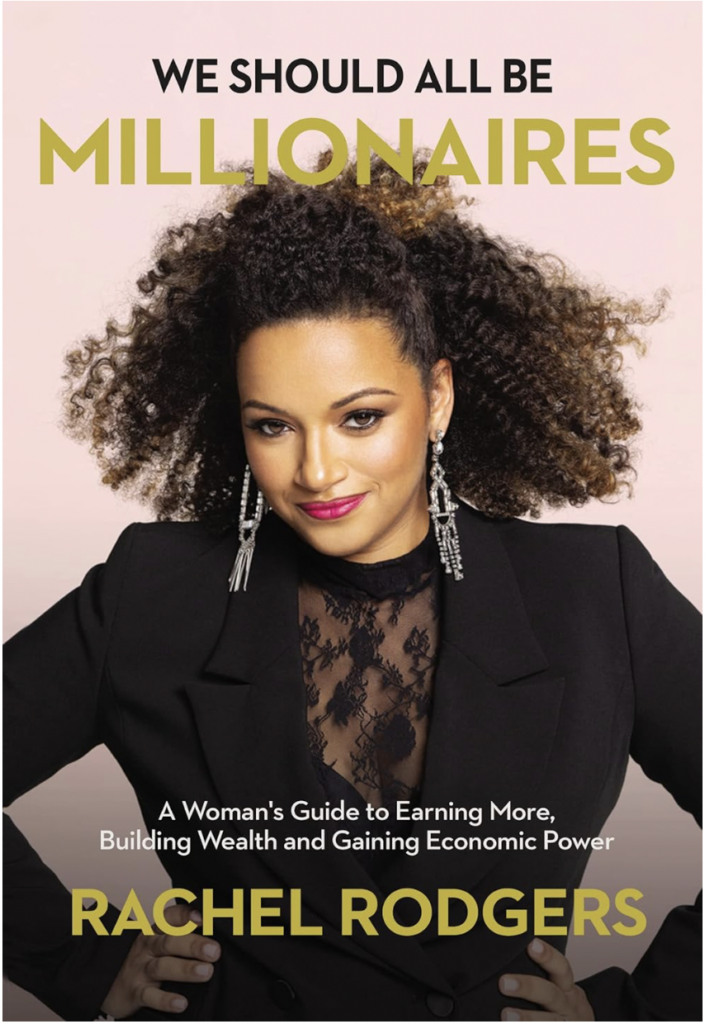
We Should All Be Millionaires by Rachel Rodgers
This book was fun to read and very different from most money books I’ve read before. It’s full of practical tips, not just high-level information and Rachel Rodgers, mother of four, attorney, and self-made millionaire, shares what she learned on her journey to seven-figure status, plus how she’s helped hundreds of other women do the same. I love his writing style and the way he refutes a lot of the bad financial advice you’ve probably heard throughout your life. And if you think wanting to be a millionaire is wrong, he’ll disprove that for you too!
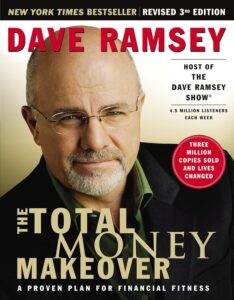

I know Dave Ramsey can be controversial and while I don’t agree with all of Dave Ramsey’s advice (lifelong credit card user here), I think he has some very solid advice for people trying to take control of their finances and get themselves out of debt. My parents gave us this book about 15 years ago and we found it very helpful.
And if you’d like a printable copy of this list of personal finance books you can take to the library or a screenshot on your phone for easy access, just enter your email address below and it’ll go straight to your inbox!
If you liked this post about financial books, you might also like these other posts:
PakarPBN
A Private Blog Network (PBN) is a collection of websites that are controlled by a single individual or organization and used primarily to build backlinks to a “money site” in order to influence its ranking in search engines such as Google. The core idea behind a PBN is based on the importance of backlinks in Google’s ranking algorithm. Since Google views backlinks as signals of authority and trust, some website owners attempt to artificially create these signals through a controlled network of sites.
In a typical PBN setup, the owner acquires expired or aged domains that already have existing authority, backlinks, and history. These domains are rebuilt with new content and hosted separately, often using different IP addresses, hosting providers, themes, and ownership details to make them appear unrelated. Within the content published on these sites, links are strategically placed that point to the main website the owner wants to rank higher. By doing this, the owner attempts to pass link equity (also known as “link juice”) from the PBN sites to the target website.
The purpose of a PBN is to give the impression that the target website is naturally earning links from multiple independent sources. If done effectively, this can temporarily improve keyword rankings, increase organic visibility, and drive more traffic from search results.